Add Row
Add Element
cropper
update

Your Trusted Source For ISP News & Reviews

update
Add Element
  • Home
  • Categories
    • Internet 101
    • News & Updates
    • Tips & Troubleshooting
    • Smart Homes
    • Small Biz & Remote Work
    • Gaming
    • Entertainment
    • Featured
    • ISP Investment News
August 07.2025
3 Minutes Read

Mesh Router vs. Wi-Fi Extender: Which Champion Should You Choose for Connectivity?

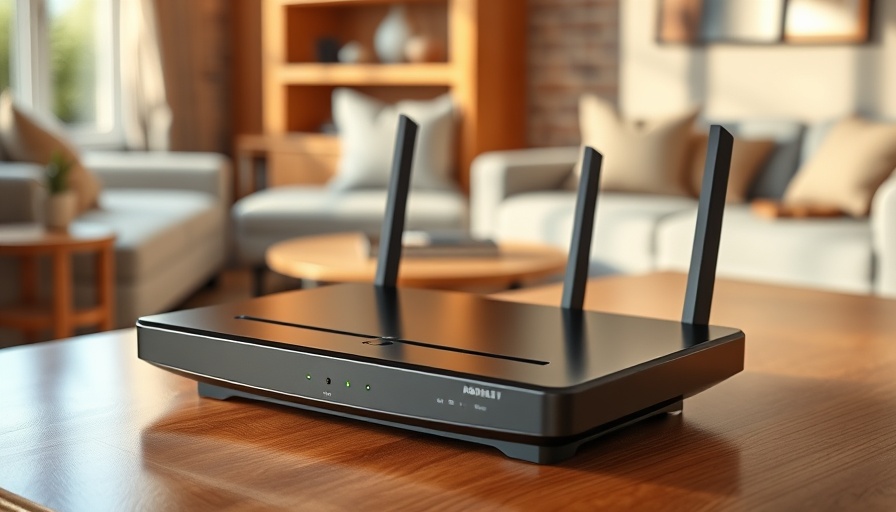
Mesh router devices comparison on wooden table

Understanding Your Home Connectivity Needs

In the rapidly advancing world of home internet solutions, many users find themselves at a crossroads when it comes to choosing between a mesh router and a Wi-Fi extender. This decision isn’t just about which device looks sleek or fits your decor; it’s fundamentally about serving the unique connectivity needs of your home. Evaluating the layout of your space, the number of connected devices, and your internet usage patterns can significantly influence which option will provide the best coverage and performance.

Mesh Routers: The Champions of Coverage

Mesh routers offer a revolutionary approach to wireless connectivity. Unlike traditional routers that emit signals from a single point, mesh systems comprise multiple nodes or units distributed throughout the home. This structure allows for a more unified and stronger signal, overcoming physical barriers like walls and floors. Recent tests show that mesh networks can effectively cover larger areas, making them ideal for sprawling homes or places with challenging layouts.

Wi-Fi Extenders: Cost-Effective Solutions

On the other hand, Wi-Fi extenders can be an economical choice for users looking to fill gaps in coverage without a hefty investment. These devices amplify an existing signal, making them a good solution for smaller homes or apartments where a single router may not suffice. However, they may introduce latency—leading to slower connections, especially in scenarios where high-speed data transfers are necessary. Choosing an extender often depends on immediate budget constraints versus long-term performance expectations.

Performance Comparison: Which is Faster?

When it comes to speed, many users have voiced concerns about potential trade-offs between a mesh router and a Wi-Fi extender. While extenders simply rebroadcast signals, mesh systems utilize intelligent routing protocols that choose the optimal path for data transmission. This often results in less lag and higher speeds, particularly in situations requiring bandwidth-intensive applications like streaming or gaming. According to various performance tests and studies, mesh networks tend to provide a more seamless connectivity experience.

Future Trends in Home Internet Technology

The landscape of home networking continues to evolve, with new advancements on the horizon. Upcoming technologies promise even faster speeds and more reliable connections, driven by innovations such as Wi-Fi 6 and the ongoing rollout of 5G. Users should consider not just their current needs but also future requirements—a mesh system may be a more resilient investment as home appliances grow increasingly smart and inter-connected.

Deciphering Your Dilemma: Mesh vs. Extender

The question of whether to invest in a mesh router or a range extender ultimately hinges on your unique situation. If your household boasts several users and devices with high data demands, a robust mesh system is more likely to suit your needs. However, if cost is of primary concern and your coverage needs are modest, a Wi-Fi extender may suffice. Analyze your environment, usage habits, and budget before making a decision.

Conclusion

In conclusion, understanding the nuanced differences between mesh routers and Wi-Fi extenders enables consumers to make informed decisions that improve their home internet experience. Whether you opt for the expansive coverage of a mesh system or the budget-friendly solution of a Wi-Fi extender, being mindful of your unique goals will help you select the right wireless champion for your home. Stay tuned for ongoing updates in technology as 2025 ushers in new innovations that may influence your connectivity choices.

Smart Homes

Write A Comment

*
*
Related Posts All Posts
12.13.2025

The Future of Home Networking: Embracing AI and Mesh Technology

Update Exploring the Home Networking Revolution: AI and Mesh Technology The home networking device market is undergoing a significant transformation as it adapts to the needs of modern households seeking seamless connectivity. With the increasing reliance on high-speed internet for remote work, streaming, and smart home automation, technologies such as AI and mesh networking are not only enhancing connectivity but are also redefining user experiences. According to market research, the home networking device market is projected to reach US$ 42.98 billion by 2031, demonstrating a compound annual growth rate (CAGR) of 4.8% from 2025 to 2031. How AI and Mesh Networking Simplify Home Connectivity One of the standout innovations in this field is mesh networking—a solution designed to eliminate dead spots within the home. Companies like ASUS with their AiMesh technology and TP-Link’s AI-Driven Mesh are leading the charge in reinventing home Wi-Fi systems to ensure every corner receives a strong signal. AiMesh allows users to interconnect multiple compatible routers to form a unified whole-home network, enabling seamless connectivity even in larger homes. This means no more manual switching between networks as users move from room to room. The Security Factor: Safeguarding Your Home Network Alongside connectivity advancements, cybersecurity has become a paramount concern. With more connected devices in our households, robust security measures have been crucial. Many modern home networking solutions incorporate advanced security features, such as commercial-grade security and parental controls, ensuring that users can enjoy their internet experience with peace of mind. ASUS’s AiMesh, for instance, provides lifetime free AiProtection to safeguard your network against potential threats. Global Growth and Regional Insights Each region is witnessing unique growth dynamics within the home networking market. North America remains a leader, driven by high broadband penetration and advanced infrastructure, paving the way for rapid adoption of wireless technologies like Wi-Fi 6 and 7. Meanwhile, the Asia-Pacific region is emerging as a fast-growing market due to urbanization and digital transformation initiatives. The synergy of enhanced internet access, connected devices, and network solutions creates a fertile ground for growth. Future Predictions: What Lies Ahead? As we navigate through 2031 and beyond, the evolution of home networking devices promises to accelerate with continuous technological advancements. Factors such as increasing internet usage, the rise of smart home automation, and the demand for uninterrupted connectivity are predicted to sustain this market's growth trajectory. The advent of AI-driven solutions will not only enhance connectivity but also tailor the network experience to individual users, making home networking more intuitive and tailored than ever before. Concluding Thoughts: Investing in Tomorrow's Connectivity With significant growth expected and constant innovation in home networking devices, now is an ideal time for consumers and businesses alike to invest in next-generation solutions. Greater connectivity, enhanced security features, and seamless digital experiences are just the beginning. For anyone looking to revamp their home network, embracing these advancements will undoubtedly lead to a more connected future.

12.10.2025

Is the Netgear Orbi 370 Series Mesh System the Best Wi-Fi 7 Option?

Discover the Netgear Orbi 370 Mesh Review, an affordable Wi-Fi 7 option providing stable performance with notable limitations.

12.03.2025

Enhance Your Home’s Safety Amidst Thread 1.4 Smart Home Update

Update Navigating the Evolving World of Smart Home Security The advancements in smart home technology, particularly with the rollout of Thread 1.4, bring substantial improvements aimed at unifying the various devices that populate our homes. However, security remains a crucial concern for homeowners. As smart home devices multiply, managing their security grows increasingly complicated. Understanding how Thread 1.4 aims to enhance security is essential for making informed decisions about device integration and security. Understanding Thread 1.4: A Game Changer for Smart Homes Thread 1.4 represents the latest enhancement to the Thread networking protocol, designed to connect smart devices into a cohesive mesh network. This means better interoperability among devices from different manufacturers, allowing for a smoother user experience. The update comes with three key improvements: it offers a way for different brands' devices to communicate, standardizes credential sharing, and enhances management tools for larger smart home setups. This is a significant leap from the fragmented systems of the past, which often resulted in multiple overlapping networks that could easily confuse users. Potential Security Risks in Fragmented Systems Amid the excitement for Thread 1.4, it's critical to acknowledge the security vulnerabilities posed by the current state of smart homes. Many households operate with outdated devices, weak passwords, and insecure settings. The prospect of a “half-migrated” system creates a fertile ground for cyber threats. Vulnerable components such as old cameras or poorly updated smart plugs remain points of entry for cybercriminals, making robust security measures imperative during this transitional period. Best Practices for Securing Your Smart Home Today While waiting for the full benefits of Thread 1.4 to materialize, there are several actionable steps homeowners can take to strengthen their security: Secure Your Wi-Fi Network: Ensure that your router’s firmware is up to date, and switch to a complex password to prevent unauthorized access. Update Device Firmware: Regularly check for firmware updates for all smart devices to mitigate vulnerabilities. Utilize Strong Authentication: Employ two-factor authentication wherever possible to create an additional barrier to unauthorized access. Regularly Check Your Devices: Maintain awareness of all connected devices, removing any that are no longer in use to minimize potential entry points for cyber threats. The Future of Smart Homes: A Collaborative Effort The evolution of Thread with its 1.4 update represents a step toward a more integrated and secure smart home experience. However, the ultimate effectiveness of these improvements will depend on widespread support and implementation by manufacturers. As we look forward to this future, collaboration among stakeholders in the smart home ecosystem—manufacturers, service providers, and consumers—will be vital. Emphasizing security within product design and consumer education will enhance the overall security posture of our homes. As the rollout of Thread 1.4 continues, staying informed and proactive about smart home security is more crucial than ever. The transition may be gradual, but the potential benefits for convenience and automation in our daily lives are worth the effort.

Terms of Service

Privacy Policy

Core Modal Title

Sorry, no results found

You Might Find These Articles Interesting

T
Please Check Your Email
We Will Be Following Up Shortly
*
*
*