Add Row
Add Element
cropper
update

Your Trusted Source For ISP News & Reviews

update
Add Element
  • Home
  • Categories
    • Internet 101
    • News & Updates
    • Tips & Troubleshooting
    • Smart Homes
    • Small Biz & Remote Work
    • Gaming
    • Entertainment
    • Featured
    • ISP Investment News
April 19.2025
3 Minutes Read

Transform Your Living Space with the Best Smart Plugs

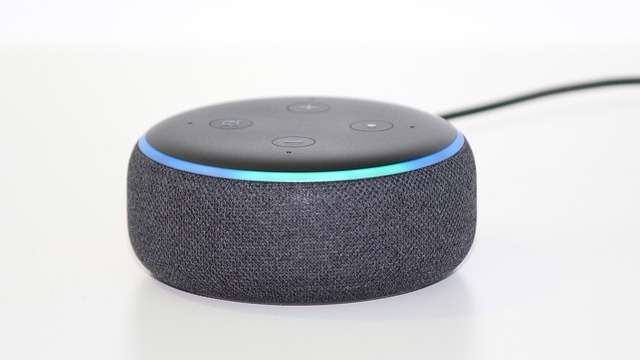
White smart plug on a wooden table, blurred smart speakers behind.


Revolutionizing Your Home: The Benefits of Smart Plugs

The rise of smart home technology has transformed how we interact with our living spaces, making everyday tasks more convenient and efficient. Smart plugs, in particular, have become a gateway for homeowners looking to dip their toes into home automation without overwhelming expenses or complex setups. These nifty devices turn ordinary outlets into smart ones, allowing you to control appliances from your smartphone or with voice commands. This article highlights the benefits of integrating smart plugs into your home, providing insights into some of the best options available on the market today.

What Are Smart Plugs and Why They're Essential

Smart plugs connect to Wi-Fi and enable users to control connected devices remotely. Imagine turning off the living room lamp while lying in bed or scheduling your coffee maker to brew just in time for your wake-up call. These devices add a layer of convenience and flexibility to everyday living—especially for busy families. Furthermore, smart plugs are versatile; they're compatible with a wide range of appliances from lights to fans, making them an essential addition to any smart home ecosystem.

Exploring Top Smart Plugs for Home Automation

In the quest to identify the best smart plugs, our experts emphasize a few standout models based on functionality, ease of use, and compatibility with different ecosystems (like Amazon Alexa or Google Assistant). While there are numerous options, three that consistently rank high in reviews include:

  • TP-Link Kasa Smart Wi-Fi Plug: Known for its reliability and user-friendly app, it offers features like remote access and energy monitoring.

  • Amazon Smart Plug: Seamlessly integrates with Alexa and provides an excellent starting point for those already invested in Amazon’s ecosystem.

  • Wemo Mini Smart Plug: Offers compatibility with both Google Assistant and Siri, providing great flexibility for tech users.

The Future of Home Automation Is Now

As technology continues to evolve, the demand for home automation will likely increase. Smart plugs not only enhance convenience, but they can also help improve energy efficiency. According to studies, by scheduling devices to turn off when not in use, families can potentially lower their electricity bills. Moreover, with constant advancements in smart technology, we can expect smart plugs to become even smarter, integrating seamlessly with other smart home devices.

Actionable Insights for Smart Home Integration

To maximize the benefits of smart plugs, consider starting small. Choose one or two devices that commonly consume energy—like lamps or chargers. Once comfortable, gradually expand your setups, exploring various functionalities like voice commands and automation schedules. This strategy not only makes the transition easier, but also helps you understand the tech better, facilitating a smoother integration of additional devices in the future.

Concluding Thoughts: Why You Should Embrace Smart Technology

The integration of smart plugs into your home can serve as a gateway to smarter living, enhancing convenience while potentially lowering energy costs. As we continue to navigate through an increasingly automated world, adopting these devices could empower you to take control of your household in ways you never imagined. Start your smart journey today and imagine all the possibilities that technology has to offer!


Smart Homes

Write A Comment

*
*
Related Posts All Posts
12.13.2025

The Future of Home Networking: Embracing AI and Mesh Technology

Update Exploring the Home Networking Revolution: AI and Mesh Technology The home networking device market is undergoing a significant transformation as it adapts to the needs of modern households seeking seamless connectivity. With the increasing reliance on high-speed internet for remote work, streaming, and smart home automation, technologies such as AI and mesh networking are not only enhancing connectivity but are also redefining user experiences. According to market research, the home networking device market is projected to reach US$ 42.98 billion by 2031, demonstrating a compound annual growth rate (CAGR) of 4.8% from 2025 to 2031. How AI and Mesh Networking Simplify Home Connectivity One of the standout innovations in this field is mesh networking—a solution designed to eliminate dead spots within the home. Companies like ASUS with their AiMesh technology and TP-Link’s AI-Driven Mesh are leading the charge in reinventing home Wi-Fi systems to ensure every corner receives a strong signal. AiMesh allows users to interconnect multiple compatible routers to form a unified whole-home network, enabling seamless connectivity even in larger homes. This means no more manual switching between networks as users move from room to room. The Security Factor: Safeguarding Your Home Network Alongside connectivity advancements, cybersecurity has become a paramount concern. With more connected devices in our households, robust security measures have been crucial. Many modern home networking solutions incorporate advanced security features, such as commercial-grade security and parental controls, ensuring that users can enjoy their internet experience with peace of mind. ASUS’s AiMesh, for instance, provides lifetime free AiProtection to safeguard your network against potential threats. Global Growth and Regional Insights Each region is witnessing unique growth dynamics within the home networking market. North America remains a leader, driven by high broadband penetration and advanced infrastructure, paving the way for rapid adoption of wireless technologies like Wi-Fi 6 and 7. Meanwhile, the Asia-Pacific region is emerging as a fast-growing market due to urbanization and digital transformation initiatives. The synergy of enhanced internet access, connected devices, and network solutions creates a fertile ground for growth. Future Predictions: What Lies Ahead? As we navigate through 2031 and beyond, the evolution of home networking devices promises to accelerate with continuous technological advancements. Factors such as increasing internet usage, the rise of smart home automation, and the demand for uninterrupted connectivity are predicted to sustain this market's growth trajectory. The advent of AI-driven solutions will not only enhance connectivity but also tailor the network experience to individual users, making home networking more intuitive and tailored than ever before. Concluding Thoughts: Investing in Tomorrow's Connectivity With significant growth expected and constant innovation in home networking devices, now is an ideal time for consumers and businesses alike to invest in next-generation solutions. Greater connectivity, enhanced security features, and seamless digital experiences are just the beginning. For anyone looking to revamp their home network, embracing these advancements will undoubtedly lead to a more connected future.

12.10.2025

Is the Netgear Orbi 370 Series Mesh System the Best Wi-Fi 7 Option?

Discover the Netgear Orbi 370 Mesh Review, an affordable Wi-Fi 7 option providing stable performance with notable limitations.

12.03.2025

Enhance Your Home’s Safety Amidst Thread 1.4 Smart Home Update

Update Navigating the Evolving World of Smart Home Security The advancements in smart home technology, particularly with the rollout of Thread 1.4, bring substantial improvements aimed at unifying the various devices that populate our homes. However, security remains a crucial concern for homeowners. As smart home devices multiply, managing their security grows increasingly complicated. Understanding how Thread 1.4 aims to enhance security is essential for making informed decisions about device integration and security. Understanding Thread 1.4: A Game Changer for Smart Homes Thread 1.4 represents the latest enhancement to the Thread networking protocol, designed to connect smart devices into a cohesive mesh network. This means better interoperability among devices from different manufacturers, allowing for a smoother user experience. The update comes with three key improvements: it offers a way for different brands' devices to communicate, standardizes credential sharing, and enhances management tools for larger smart home setups. This is a significant leap from the fragmented systems of the past, which often resulted in multiple overlapping networks that could easily confuse users. Potential Security Risks in Fragmented Systems Amid the excitement for Thread 1.4, it's critical to acknowledge the security vulnerabilities posed by the current state of smart homes. Many households operate with outdated devices, weak passwords, and insecure settings. The prospect of a “half-migrated” system creates a fertile ground for cyber threats. Vulnerable components such as old cameras or poorly updated smart plugs remain points of entry for cybercriminals, making robust security measures imperative during this transitional period. Best Practices for Securing Your Smart Home Today While waiting for the full benefits of Thread 1.4 to materialize, there are several actionable steps homeowners can take to strengthen their security: Secure Your Wi-Fi Network: Ensure that your router’s firmware is up to date, and switch to a complex password to prevent unauthorized access. Update Device Firmware: Regularly check for firmware updates for all smart devices to mitigate vulnerabilities. Utilize Strong Authentication: Employ two-factor authentication wherever possible to create an additional barrier to unauthorized access. Regularly Check Your Devices: Maintain awareness of all connected devices, removing any that are no longer in use to minimize potential entry points for cyber threats. The Future of Smart Homes: A Collaborative Effort The evolution of Thread with its 1.4 update represents a step toward a more integrated and secure smart home experience. However, the ultimate effectiveness of these improvements will depend on widespread support and implementation by manufacturers. As we look forward to this future, collaboration among stakeholders in the smart home ecosystem—manufacturers, service providers, and consumers—will be vital. Emphasizing security within product design and consumer education will enhance the overall security posture of our homes. As the rollout of Thread 1.4 continues, staying informed and proactive about smart home security is more crucial than ever. The transition may be gradual, but the potential benefits for convenience and automation in our daily lives are worth the effort.

Terms of Service

Privacy Policy

Core Modal Title

Sorry, no results found

You Might Find These Articles Interesting

T
Please Check Your Email
We Will Be Following Up Shortly
*
*
*