Add Row
Add Element
cropper
update

Your Trusted Source For ISP News & Reviews

update
Add Element
  • Home
  • Categories
    • Internet 101
    • News & Updates
    • Tips & Troubleshooting
    • Smart Homes
    • Small Biz & Remote Work
    • Gaming
    • Entertainment
    • Featured
    • ISP Investment News
July 27.2025
2 Minutes Read

Transform Your Internet Speed: 4 Easy Router Tweaks for Faster Wi-Fi

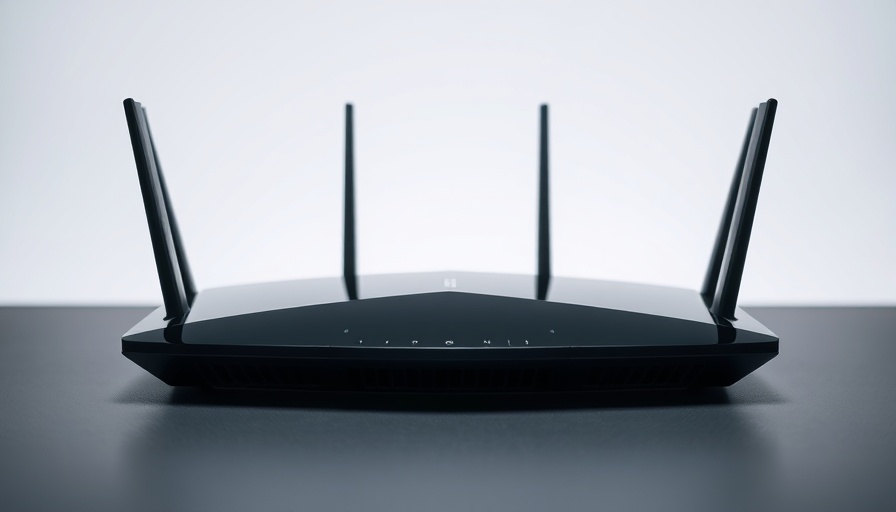
Modern Wi-Fi router design with antennas, various tech features.

Why Your Slow Wi-Fi Might Not Be Your ISP's Fault

In today’s digital world, a stable internet connection is more crucial than ever. Work, leisure, and connected devices all depend on reliable Wi-Fi. Yet, many people experience slower-than-expected speeds, even when paying for high-grade service. The truth is, slow Wi-Fi can often be attributed to issues within one’s home setup rather than the service provider. Fortunately, simple adjustments can greatly enhance your network performance.

1. Choose the Right Hardware for Your Space

One fundamental step is ensuring you have the correct router for your home. Not all routers are designed the same way; their performance can hinge on factors like size, layout, and even materials of your home. If you have a larger house or multiple floors, consider investing in a mesh Wi-Fi system. These systems can distribute signals evenly throughout more extensive areas, mitigating dead zones effectively. Compared to traditional routers, mesh systems are particularly beneficial for streaming or gaming, where a solid connection is critical.

2. Placement is Everything

After hardware selection, the placement of your router plays a significant role in your Wi-Fi performance. Ideally, routers should be placed in a central location within the space to maximize coverage. Avoid areas with obstacles, like thick walls or appliances that may obstruct signals. Sometimes, even a slight elevation, like placing the router on a shelf, can improve signal distribution. Experimenting with router positioning can lead to instant improvements in coverage.

3. Adjust Frequency Settings

Modern routers typically offer dual frequencies: 2.4 GHz and 5 GHz. While 2.4 GHz has a more extensive range suitable for a larger distance, it’s also more prone to interference, whereas 5 GHz can deliver faster speeds but over a shorter range. If your devices support it, try connecting to the 5 GHz band when closer to the router. Users can also optimize their routers' settings via the admin interface, adjusting the channel settings to reduce interference from neighboring networks.

4. Regular Updates and Maintenance

Another often overlooked aspect is ensuring that your router's firmware is kept up-to-date. Manufacturers frequently release updates to enhance performance and security. Regularly checking for updates and rebooting your router can not only maintain its speed but can also deter potential security vulnerabilities. A properly maintained router can function much more effectively.

Getting the Most Out of Your Wi-Fi Connection

Ultimately, addressing Wi-Fi issues is often within your control. By investing in appropriate hardware, optimizing placement, adjusting frequency settings, and maintaining your network devices, anyone can transform their home internet experience. Don't let slow Wi-Fi hold you back from an optimal online experience—implement these simple tweaks for a more enjoyable, seamless connection.

Tips & Troubleshooting

0 Comments

Write A Comment

*
*
Related Posts All Posts
02.19.2026

Say Goodbye to Buffering: Speed Up Your Internet for Better Streaming

Update Understanding the Necessity of Fast Internet for StreamingIn today's digital age, where binge-watching favorites on Netflix or enjoying live sports is part of the norm, having a reliable internet connection is incredibly important. If you're tired of the spinning wheel of buffering during critical moments—like when your team scores a last-minute goal—you're not alone. Surveys suggest that many streaming users experience significant lag due to slow internet connections. This article is aimed at helping you optimize your internet speed so that you can enjoy seamless streaming experiences.Identifying Your True Internet SpeedThe first step to eliminating buffering is to understand your current internet speed. Begin by running an internet speed test to see if you're actually receiving what you're paying for from your internet service provider (ISP). You might be surprised to find that your connection is underperforming. Ideally, for smooth 4K streaming, the FCC recommends speeds of at least 25 Mbps, although many households should aim for around 100 Mbps given the number of devices in use today.Optimal Router Placement for Maximum PerformanceYour Wi-Fi router's location plays a critical role in the speed and reliability of your internet connection. If your router is currently placed in a corner or behind furniture, it might be time to relocate it. Centering the router in an elevated position will help improve signal distribution throughout your home. Additionally, avoiding physical barriers can significantly reduce interference and help you achieve consistent speeds.Utilizing Wired Connections When NecessaryWhile Wi-Fi is a convenient solution for connecting devices throughout your home, using wired Ethernet connections, especially for gaming consoles and streaming devices, can tremendously enhance your streaming quality. This eliminates interference from Wi-Fi fluctuations, ensuring a more stable experience.Upgrade to the Right EquipmentIf you're still using an old router, it may be time for an upgrade. Many basic routers provided by ISPs do not offer the advanced features needed for optimal performance. High-quality routers equipped with advanced technologies such as MU-MIMO and beamforming can significantly improve your internet experience by allowing multiple devices to stream simultaneously without lag.Minimizing Network CongestionConsider the number of devices connected to your network. Each device that streams, downloads, or uploads data takes a chunk of your available bandwidth. During peak usage times, this can result in slowdowns, making it difficult to enjoy content. To mitigate this, disconnect devices that aren't in use and consider investing in a Wi-Fi extender or mesh system if your home is large.Securing Your NetworkAn unsecured network can expose you to unwarranted access by others, who may slow down your internet speeds. Security involves using a strong password for your Wi-Fi connection and enabling encryption to ensure only authorized users can connect to your network.Keep Your Software UpdatedWhat's often overlooked is that your router's firmware and the software on your devices should be regularly updated. Manufacturers frequently release updates designed to improve functionality and security. Keeping your router’s firmware up to date ensures optimal performance and support for the latest streaming capabilities.Conclusion: Take Action for Smooth StreamingTaking concrete steps to optimize your internet connection is crucial for an enjoyable streaming experience. Whether it's relocating your router, using wired connections, or upgrading your equipment, each choice you make can drastically improve your buffering issues. Don't let poor internet speeds ruin your digital entertainment—implement these strategies and enjoy seamless streaming!

02.13.2026

Discover the Best VPNs for Verizon Fios to Prevent Throttling

Explore the best VPNs for Verizon Fios in 2026 to avoid throttling and enhance your streaming experience.

02.04.2026

Unlock Faster Internet: Essential Checks When Your Wi-Fi is Slow

Discover effective ways to troubleshoot Wi-Fi issues and unlock faster internet with our practical insights and tips.

Terms of Service

Privacy Policy

Core Modal Title

Sorry, no results found

You Might Find These Articles Interesting

T
Please Check Your Email
We Will Be Following Up Shortly
*
*
*